We observe that the evolution of sanitary pads for women is deeply intertwined with progress in healthcare, materials science, and women’s empowerment. From rudimentary solutions rooted in natural fibers to today’s technologically advanced, ultra-thin, and eco-conscious designs, sanitary pads have undergone a remarkable transformation. This evolution reflects not only improvements in hygiene and comfort but also a broader societal shift toward dignity, accessibility, and sustainability in menstrual care.
Early Menstrual Hygiene Practices: Foundations of Modern Sanitary Pads
We recognize that long before commercial sanitary pads existed, women relied on natural and reusable materials. Ancient civilizations used linen, wool, papyrus, moss, and cotton cloth to manage menstrual flow. These materials were washed and reused, demanding time, privacy, and access to clean water.
While these early practices offered basic absorption, they lacked standardized hygiene and convenience. However, they laid the foundation for understanding absorbent fibers, shaping the future of menstrual products.
The Birth of Commercial Sanitary Pads
We identify the late 19th and early 20th centuries as a pivotal era in menstrual hygiene. The industrial revolution enabled mass production, leading to the first commercial sanitary pads. Early versions were bulky, rectangular pads made of cotton or cellulose, often secured with belts or pins.
Despite their limitations, these products represented a breakthrough. For the first time, women had access to disposable menstrual solutions, reducing the burden of washing reusable cloths and improving hygiene standards.
World War Influence and the Rise of Disposable Technology
We note that wartime innovation significantly accelerated sanitary pad development. During World War I, nurses discovered that cellulose bandages absorbed blood efficiently. This discovery inspired manufacturers to adapt medical-grade absorbent materials for menstrual use.
The post-war period saw the introduction of disposable sanitary napkins, marketed discreetly to overcome social taboos. These products improved absorption, reduced leakage, and marked the beginning of widespread consumer acceptance.
Advancements in Absorbent Materials
We emphasize that the most transformative change in sanitary pads came with the development of superabsorbent polymers (SAPs). Introduced in the late 20th century, SAPs revolutionized menstrual care by locking in moisture and minimizing bulk.
This innovation allowed for thinner pads with higher absorbency, enhancing comfort and mobility. Women could now engage confidently in daily activities without compromising protection or discretion.
Evolution of Design and Comfort
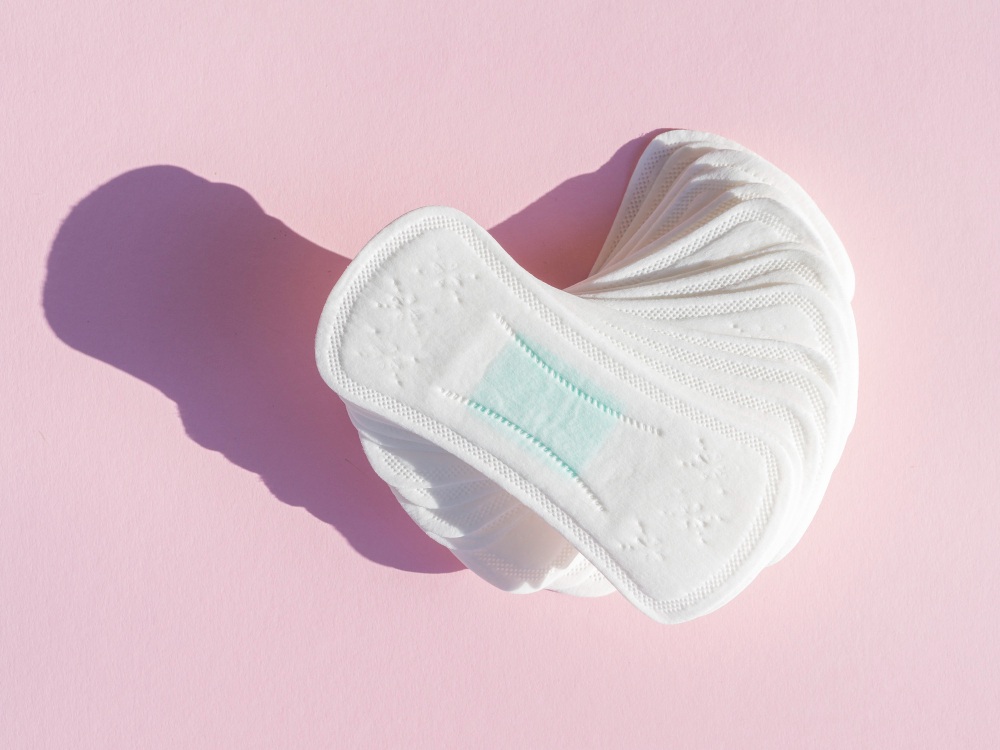
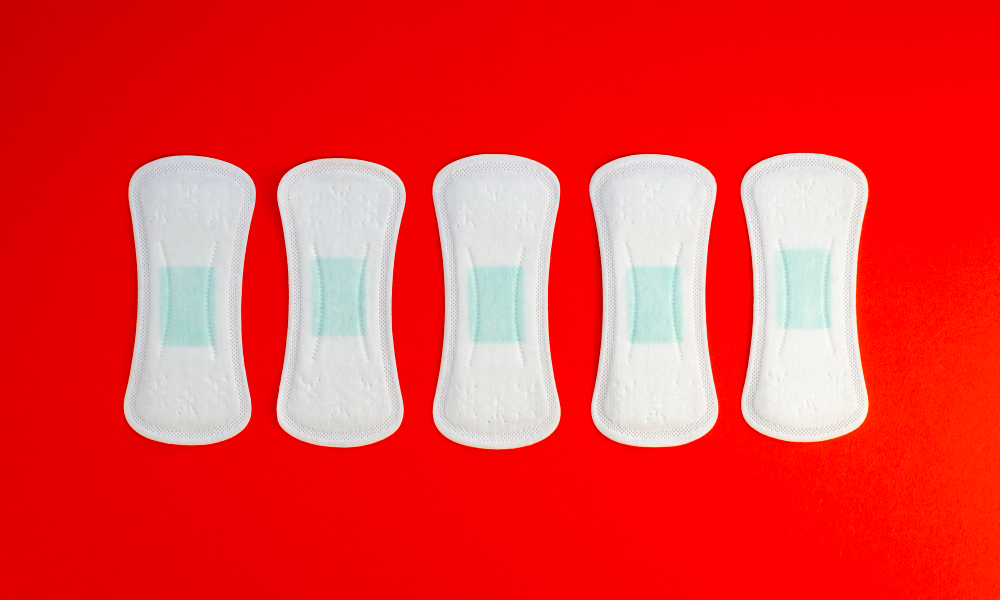
We observe that design evolution has been central to improving user experience. Modern sanitary pads feature:
- Anatomical shaping for a natural fit
- Wings and adhesive backings for secure placement
- Breathable layers to reduce heat and moisture
- Soft, skin-friendly top sheets to prevent irritation
These enhancements reflect a shift toward user-centered design, prioritizing comfort, flexibility, and reliability across varying flow levels.
Addressing Skin Health and Safety
We acknowledge that increased awareness of skin health has driven improvements in pad composition. Manufacturers now focus on dermatologically tested materials, reducing exposure to harsh chemicals, fragrances, and synthetic dyes.
The introduction of hypoallergenic sanitary pads has significantly reduced risks of rashes, itching, and infections, ensuring menstrual care supports overall intimate health.
Customization for Diverse Needs
We highlight that modern sanitary pads are no longer one-size-fits-all. Today’s market offers specialized options tailored to different lifestyles and physiological needs, including:
- Pads for light, medium, and heavy flow
- Overnight sanitary pads with extended coverage
- Pads designed for teenagers and first-time users
- Postpartum and maternity pads
- Active and sports-specific pads
This diversification ensures women can select products that align precisely with their bodies and routines.
The Shift Toward Sustainable and Eco-Friendly Sanitary Pads
We recognize sustainability as one of the most significant drivers of recent innovation. Traditional disposable pads contribute substantially to landfill waste due to plastic components. In response, manufacturers have developed eco-friendly sanitary pads made from biodegradable materials such as bamboo fiber, organic cotton, and plant-based cellulose.
Reusable cloth pads and compostable disposables now offer environmentally responsible alternatives, empowering women to reduce their ecological footprint without sacrificing hygiene or comfort.
Technological Integration and Smart Menstrual Care
We observe that technology has begun reshaping menstrual hygiene products. Some advanced sanitary pads now integrate odor-control technology, moisture indicators, and enhanced leak barriers. Research continues into innovative menstrual products that may one day monitor flow patterns and provide health insights.
These innovations signal a future where menstrual care supports not only hygiene but also women’s health awareness and data-driven wellness.
Breaking Taboos Through Education and Accessibility
We affirm that the evolution of sanitary pads is inseparable from cultural progress. Increased education, public health initiatives, and open dialogue have reduced stigma surrounding menstruation. Governments and organizations worldwide now prioritize menstrual equity, ensuring access to affordable sanitary pads in schools, workplaces, and underserved communities.
This progress underscores the role of sanitary pads as essential health products rather than discretionary items.
Global Market Growth and Continuous Innovation
We identify the global sanitary pad market as a dynamic landscape driven by research, consumer feedback, and technological breakthroughs. Continuous innovation focuses on enhancing absorption efficiency, comfort, sustainability, and affordability.
Manufacturers invest heavily in research and development to meet evolving expectations, ensuring that sanitary pads remain aligned with modern lifestyles and health standards.
Conclusion: A Legacy of Progress and Purpose
We conclude that the evolution of sanitary pads for women represents far more than product development. It reflects a legacy of scientific advancement, social change, and respect for women’s health and dignity. From humble natural fibers to sophisticated, eco-conscious designs, sanitary pads have become indispensable tools that support confidence, mobility, and well-being.
As innovation continues, we anticipate even greater strides toward sustainability, personalization, and holistic menstrual care—ensuring that future generations benefit from products designed with precision, compassion, and purpose.